
Ivermectin for Scabies in Australia
Scabies is more common in Australia than most people realise. It moves fast through households, aged care facilities, childcare centres, and remote communities — and once it takes hold, getting on top of it properly takes more than just treating the person with symptoms.
Ivermectin is one of the tools doctors use when scabies is severe, treatment-resistant, or spreading through a group of people at once. It’s not always the first thing prescribed, but in the right situations it’s one of the most effective options available.
What Is Scabies and How Does It Spread?
Scabies is caused by a microscopic mite called Sarcoptes scabiei that burrows into the outer layer of skin. It spreads through prolonged skin-to-skin contact — a brief handshake won’t do it, but sleeping in the same bed or sustained physical contact will.
One of the things that makes scabies difficult to control is the incubation period. If you’ve never had it before, symptoms can take two to six weeks to appear after exposure. By that point you’ve likely already passed it on without knowing. People who’ve had scabies before tend to react faster — sometimes within a few days — because their immune system recognises the mites.
Symptoms to Look For
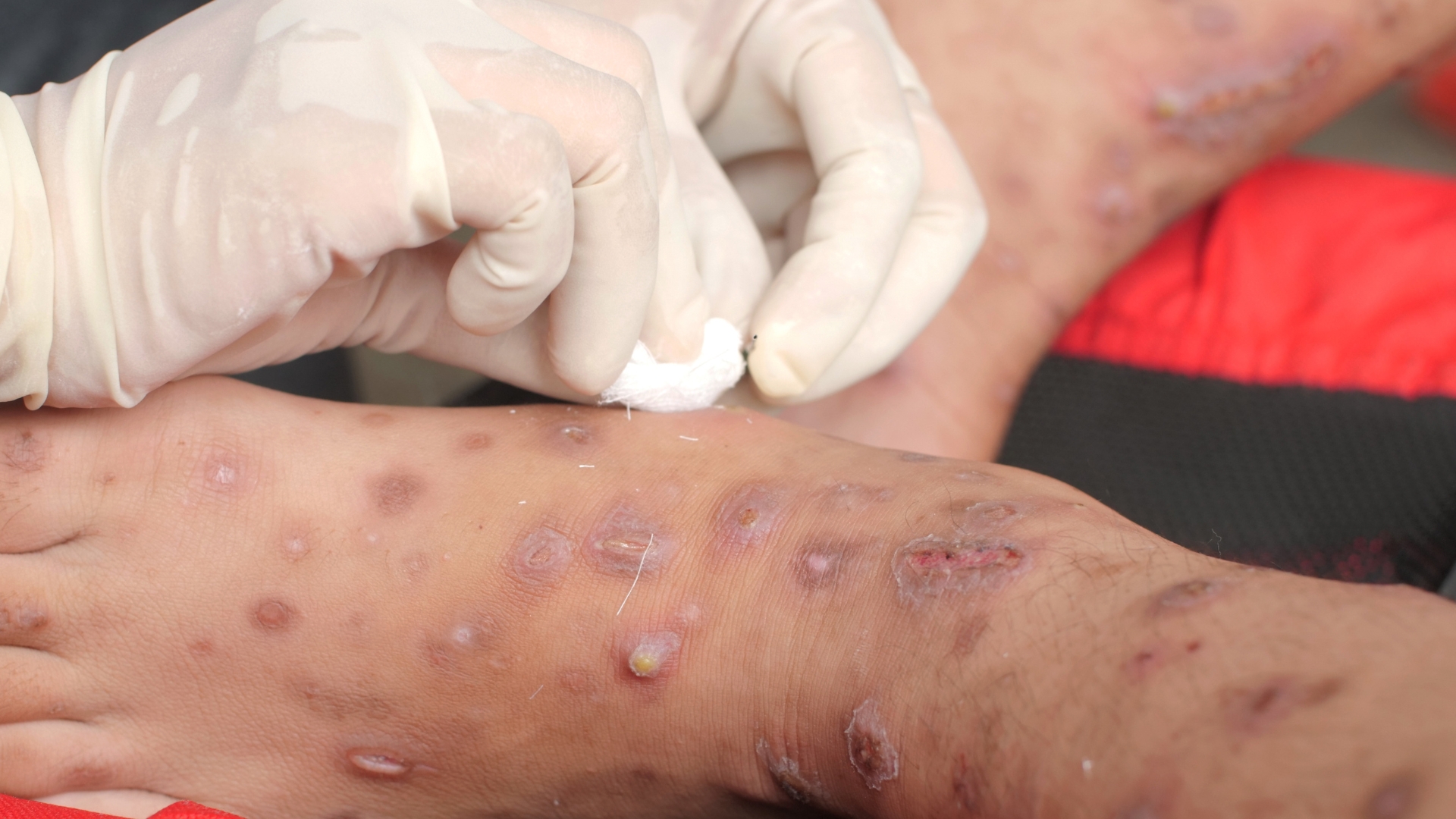
The main symptom is intense itching, usually worse at night. You might also notice a pimple-like rash, thin S-shaped burrow lines on the skin, and irritation concentrated around the wrists, between the fingers, elbows, armpits, waistline, and genital area.
The tricky part is that scabies can look a lot like eczema or dermatitis. Getting the right diagnosis before starting treatment matters — treating the wrong thing wastes time and lets the mites keep spreading.
Standard Scabies Treatment in Australia
For most cases, Australian clinical guidelines recommend starting with a topical treatment. Permethrin 5% cream is the most commonly used option — it’s applied over the whole body from the neck down, left on for a set period, then washed off. It’s effective for uncomplicated cases when applied correctly.
The catch is “when applied correctly.” Coverage needs to be thorough, timing matters, and everyone in close contact needs to be treated at the same time. If even one person in a household goes untreated, reinfestation is almost guaranteed.
When Ivermectin Is Used Instead
Oral ivermectin becomes the preferred option in a few specific situations:
Crusted scabies — Also called Norwegian scabies, this is a severe form where the skin becomes thick and crusty and can harbour tens of thousands of mites rather than the usual dozen or so. It’s far more contagious and topical treatments alone rarely cut it. Ivermectin, usually combined with permethrin, is the standard approach and multiple doses are typically required.
Outbreaks in institutions — In aged care homes, disability housing, remote communities, and similar settings, coordinating topical treatment across a large group of people at the same time is logistically difficult. Oral ivermectin improves compliance because it’s a tablet rather than a cream that needs to be applied correctly to every part of the body.
Mobility or skin conditions — Patients who can’t apply cream properly due to physical limitations, or who have skin conditions that make topical treatment impractical, may be prescribed oral ivermectin as an alternative.
Treatment-resistant cases — If permethrin hasn’t cleared the infection after proper use, ivermectin is often the next step.
How Ivermectin Works Against Scabies
Ivermectin targets the nervous system of the mite, causing paralysis and death. It doesn’t kill eggs directly, which is why a second dose is often scheduled around seven to fourteen days after the first — timed to catch mites that have hatched since initial treatment.
Because it doesn’t eliminate eggs immediately, ivermectin is often used alongside permethrin cream for better results, particularly in crusted cases or outbreaks.
What to Expect After Treatment
Itching after treatment is normal and doesn’t mean it hasn’t worked. The itch is your immune system reacting to dead mites still in the skin, and it can continue for two to four weeks before fully settling. What you’re watching for is new burrow lines or worsening symptoms — that’s the sign something hasn’t cleared properly.
Follow-up with your doctor is worth doing. If symptoms persist beyond a few weeks or seem to be getting worse rather than better, additional doses or a change in approach may be needed.
Treating Everyone at Once
This is the part people most often get wrong. Scabies treatment only works if everyone in close contact is treated at the same time, even if they have no symptoms. Asymptomatic people can still carry and spread the mites.
On top of treating people, bedding, clothing, and towels should be washed in hot water and dried on a high heat setting. Items that can’t be washed should be sealed in a bag for at least 72 hours. Mites don’t survive long away from human skin, but they can survive long enough to cause reinfestation if this step is skipped.
Prescription Requirements in Australia
Ivermectin is a Schedule 4 prescription-only medicine in Australia regulated by the TGA. You need a valid prescription from a registered Australian doctor before it can be dispensed. Your doctor will assess your situation, confirm the diagnosis, and calculate the right dose based on your body weight. Ivermectin is available in 3mg, 6mg, and 12mg tablets — the appropriate strength is always determined by your doctor based on your weight and the severity of the infection
More information on scabies management is available through Healthdirect Australia and prescribing guidelines can be reviewed via the TGA.
Side Effects
Most people tolerate ivermectin well. Side effects when they do occur are usually mild — dizziness, nausea, fatigue, or headache. These tend to pass quickly. Skin irritation during scabies treatment is also common but is often part of the post-treatment immune response rather than a reaction to the medication itself.
Frequently Asked Questions
Is scabies dangerous?
Not usually, but untreated scabies can lead to skin infections from scratching, particularly in elderly people or those with weakened immune systems. Crusted scabies in immunocompromised patients can become serious.
Can scabies spread through casual contact?
Scabies needs prolonged skin-to-skin contact to spread. Brief contact like a handshake is unlikely to transmit it, though crusted scabies is an exception as it’s far more contagious.
Do I need a second dose of ivermectin?
Often yes. Many treatment plans include a follow-up dose around seven to fourteen days after the first to catch any mites that hatched after initial treatment. Your doctor will advise.
Why is my skin still itching after treatment?
Post-treatment itching is a normal immune response to dead mites in the skin and can last several weeks. It doesn’t mean treatment failed unless you’re developing new burrows or symptoms are worsening.
Can scabies come back after treatment?
Yes, if you’re re-exposed to an untreated contact or if environmental decontamination wasn’t done properly. Treating all close contacts at the same time is the most important step in preventing this.
Can pets give me scabies?
No. The mite that causes scabies in humans is different from the one that causes mange in animals. Pet-to-human transmission of true scabies doesn’t occur.
Do I need treatment if symptoms are mild?
Yes. Mild symptoms still mean active infestation, and scabies spreads easily regardless of severity. Early treatment protects both you and the people around you.