

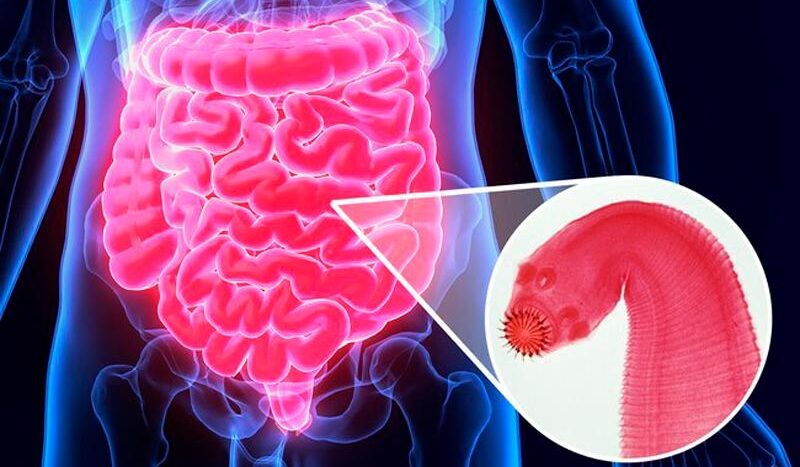
While parasitic worm infections are relatively uncommon in Australia, human tapeworm cases still occur—most often following overseas travel or from consuming undercooked meat and fish. Understanding how these parasites spread, spotting the early signs, and knowing which anthelmintic medications are available can help you deal with a potential infection quickly and safely.
What Is a Human Tapeworm Infection?
Tapeworms (Cestodes) are flat, ribbon-like parasites that inhabit the intestinal tract. In humans, a tapeworm issue generally falls into one of two categories:
-
Intestinal Infection (Taeniasis): Occurs when an adult tapeworm attaches itself to the wall of your small intestine.
-
Tissue or Larval Infection (Cysticercosis): A more serious issue where tapeworm larvae travel outside the gut, forming fluid-filled cysts in muscle tissue, organs, or even the central nervous system.
Early intestinal infections can be subtle and go unnoticed for weeks, but if left unaddressed, they can lead to digestive trouble and nutritional imbalances.
A Quick Visual Check
One of the clearest indicators of an intestinal tapeworm is noticing small, flat, white or pale-yellow segments in your stool. They often look like tiny moving grains of rice.
How Do Humans Catch Tapeworms?
Tapeworm eggs or larvae usually enter the human body through ingested food or water:
-
Raw or Undercooked Meat: Eating insufficiently cooked beef, pork, or freshwater fish carrying larvae.
-
Contaminated Produce & Water: Drinking untreated water or eating unwashed fruit and vegetables exposed to livestock runoff.
-
Poor Hand Hygiene: Accidentally ingesting microscopic eggs by not washing hands thoroughly after using the bathroom or touching soil.
-
Contact with Animals: Direct exposure to infected farm animals or domestic pets without washing up afterwards.
Key Symptoms to Watch For
Symptoms depend largely on where the tapeworm is located inside the body.
Common Gastrointestinal Signs
When the parasite stays inside the gut, symptoms remain predominantly digestive:
-
Dull stomach pain, cramps, or persistent bloating
-
Mild nausea or changes in bowel habits
-
Loss of appetite or unexpected weight loss
-
Sudden, intense cravings for salty foods
-
General fatigue or low energy
Severe Symptoms (Tissue Involvement)
If larvae move into organs or muscle tissue, symptoms become far more pronounced:
-
Under the Skin/Muscles: Firm, tender lumps or swellings.
-
Brain or Nervous System: Frequent severe headaches, dizziness, confusion, or sudden seizures.
-
Liver or Lungs: Persistent coughing, shortness of breath, or jaundice.
Treatment & Anthelmintic Medications
Erasing a tapeworm infection requires targeted anti-parasitic (anthelmintic) treatments. These medications work by paralysing or breaking down the worm, allowing your body to naturally pass it out through bowel movements.
| Treatment | Primary Role & Medical Context |
|---|---|
| Praziquantel | Often the first-choice prescription drug for intestinal tapeworm infections. |
| Albendazole | Used for intestinal tapeworms as well as deeper larval tissue cysts. |
| Niclosamide | An effective alternative that targets adult tapeworms in the gut directly. |
| Mebendazole | A broad-spectrum anthelmintic widely available in Australia for common worm infections (like threadworms and roundworms). |
Note: Always consult a doctor for proper diagnosis via stool testing before starting anti-parasitic medication.
Also read: What is Ivermectin Used for in Humans?
Complications of Untreated Tapeworms
Delaying treatment can lead to chronic health issues, including:
-
Nutritional Deficiencies: Parasites consume vital nutrients, which can trigger Vitamin B12 deficiency and secondary anaemia.
-
Intestinal Blockages: Large adult tapeworms can block the appendix or bile ducts.
-
Neurological Risks: Larval cysts in brain tissue can cause long-term neurological complications if left unmanaged.
Prevention Steps to Stop Tapeworms
Preventing parasitic infections comes down to proper hygiene and smart kitchen habits:
-
Cook Thoroughly: Ensure beef, pork, and fish are cooked through to safe internal temperatures.
-
Freeze Meat & Fish: Freezing meat thoroughly kills hidden tapeworm larvae before cooking.
-
Wash Fruits & Veggies: Thoroughly rinse all fresh produce under clean running water.
-
Regular Pet Deworming: Keep household pets up to date with routine veterinary deworming treatments.
-
Wash Your Hands: Sanitise thoroughly before meals, after handling raw meat, and after touching pets.
When to Consult a Doctor
Schedule a consultation with your GP if you suspect a parasitic infection or notice unusual segments in your stool. Seek immediate emergency care if you experience high fever, severe abdominal pain, or neurological symptoms such as seizures or severe dizziness.
Frequently Asked Questions
Does Ivermectin kill tapeworms in humans?
No. Ivermectin is primarily an anti-parasitic treatment for roundworms (nematodes) and skin parasites like scabies—it does not effectively treat tapeworms (cestodes).
Can you get rid of a tapeworm using home remedies?
While traditional remedies like raw garlic or pumpkin seeds are often suggested, they are not proven to completely eradicate tapeworms. Prescription anti-parasitics like Praziquantel, Albendazole, or Mebendazole are necessary to ensure the parasite is fully removed.
Are tapeworms common in Australia?
No, overall risk in Australia is low due to strict food safety standards. Most cases diagnosed locally are linked to international travel or consuming improperly handled raw meats.
Need advice or looking for over-the-counter health solutions? At 24 Hour Meds, we provide accessible health information and discreet delivery right across Australia.
Final Thoughts
Here’s the opportunity to buy 100% genuine medications for Tapeworms in Humans and other Ivermectin products. Order at competitive prices only at 24hour-meds.com & it’ll be delivered in just 7 – 12 days.